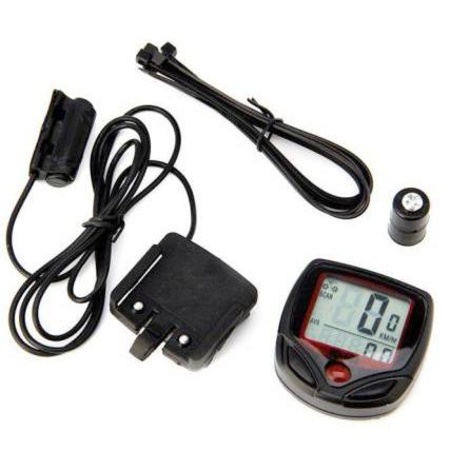
Why electronics buying intent is different
Electronics buyers usually arrive with clearer intent than general lifestyle shoppers. They often already know the use case they want to solve, whether that is charging, desk setup, audio support, mobile convenience, lighting, or compact daily utility. That makes electronics content especially valuable because comparison-focused information helps reduce hesitation before purchase.
For Google, electronics content performs best when it aligns closely with category intent. A broad but useful article can help a store rank for search terms such as best electronics products online India, daily use gadgets, affordable electronics for home use, or useful electronics accessories for office and travel.
What to check before buying electronics online
The first thing to check is functional relevance. A gadget should solve a real task often enough to justify space, price, and maintenance. Electronics that support repeat use usually create more long-term value than products that look impressive but get ignored after a few days.
Compatibility matters just as much. Shoppers should think about device type, charging format, connector support, power needs, and intended environment. A product that fits existing devices and routines will almost always outperform one that introduces extra adapters, friction, or uncertainty.
Portability is another strong decision factor in this category. Compact gadgets that fit desk use, home use, and travel use often attract broader search demand because they match multiple everyday situations instead of one narrow scenario.
How category content helps electronics pages rank
Category SEO works better when the page is supported by semantically related content. A dedicated electronics guide gives search engines more signals around gadgets, accessories, utility, price-conscious discovery, and problem-solving purchase intent.
This also improves internal linking. When a blog article links back to the electronics category page and relevant product pages, it helps distribute authority more clearly across the site. That can support better crawling, stronger topical relevance, and longer session paths for visitors who start in search.